
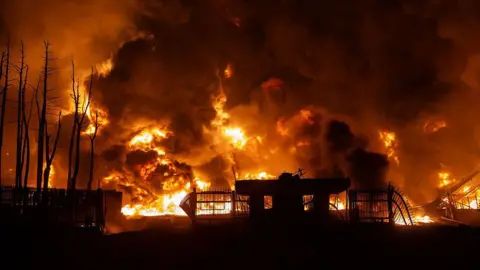
On February 28, a joint strike by United States and Israel reportedly killed Iran’s Supreme Leader Ali Khamenei along with several senior officials. Fifteen days later, the confrontation appears to be widening into a broader regional crisis. What lies behind this escalation, and how could it affect the Middle East, global energy markets and countries such as India?
Before 1979, under the rule of the Shah, Iran maintained close strategic ties with both the United States and Israel, functioning as an important regional ally.
The Iranian Revolution, however, dramatically reshaped this geopolitical alignment. With the rise of Ruhollah Khomeini and later Ali Khamenei, Iran adopted a new ideological framework that rejected Western influence and alliances. Almost overnight, Washington was labelled the “Great Satan,” while Israel was described as the “Little Satan.” This ideological shift laid the foundation for the deep hostility that continues to shape the conflict today
The New Phase of Israel–Iran Confrontation
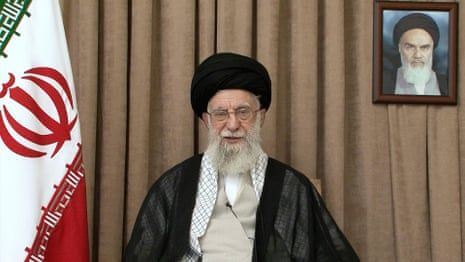
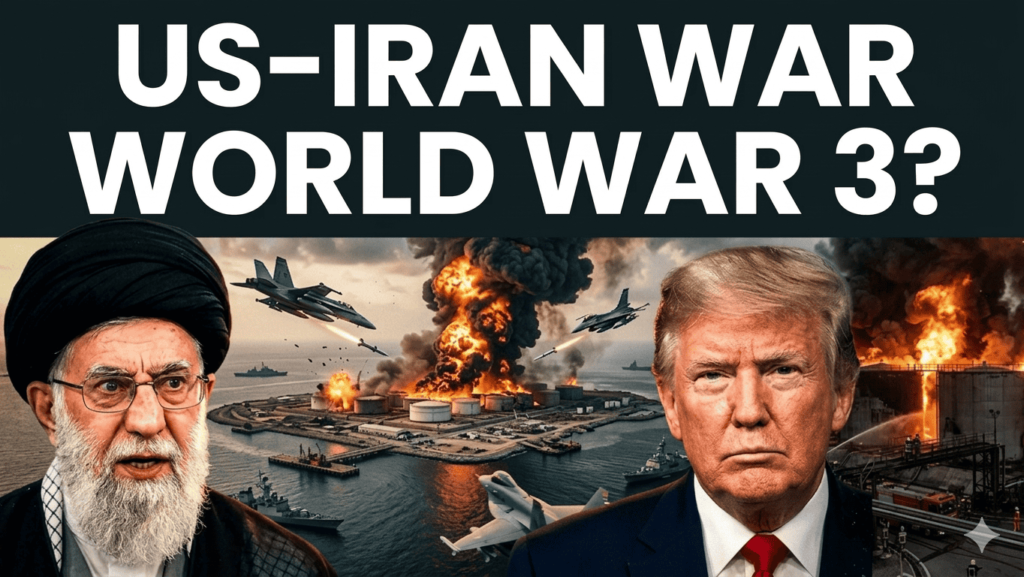
For nearly two weeks now, the conflict has continued to escalate. The United States and Israel have carried out repeated strikes on Iran’s military infrastructure and missile facilities. Iran, however, has responded with its own wave of drone and missile attacks.
Since February 28, Iran has reportedly launched around 189 ballistic missiles and more than 900 drones toward the United Arab Emirates, leaving several people injured.
At the same time, ports and oil storage facilities across Oman and the wider Gulf region have also been targeted, triggering fires at several locations and disrupting energy supply lines.
The impact of these attacks is now being felt in global energy markets. In several countries, fuel prices have begun to rise, reflecting growing uncertainty over Middle Eastern energy routes.
The question now is where the roots of this conflict truly lie.
The Strategic Roots of the Israel–Iran Rivalry
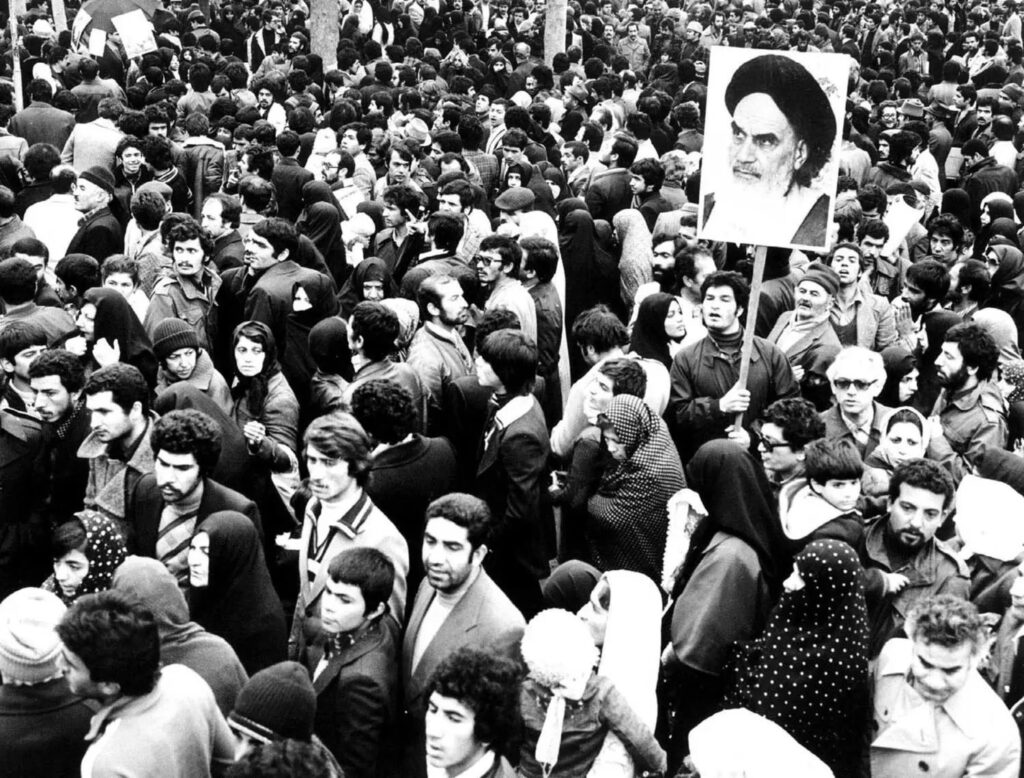
Before 1979, under the rule of the Shah, Iran maintained close strategic ties with both the United States and Israel, functioning as an important regional ally.
The Iranian Revolution, however, dramatically reshaped this geopolitical alignment. With the rise of Ruhollah Khomeini and later Ali Khamenei, Iran adopted a new ideological framework that rejected Western influence and alliances. Almost overnight, Washington was labelled the “Great Satan,” while Israel was described as the “Little Satan.”
This ideological shift laid the foundation for the deep hostility that continues to shape the conflict today.
The Nuclear Programme: Real Threat or Strategic Narrative?
For decades, the United States and Israel have accused Iran of pursuing nuclear weapons capabilities. These concerns have fueled international tensions and even covert actions, including the assassination of prominent Iranian nuclear scientist Mohsen Fakhrizadeh.
Yet some geopolitical analysts argue that the nuclear issue has also served as a broader strategic narrative used to pressure and isolate Iran internationally.
The International Atomic Energy Agency has confirmed that Iran has enriched uranium beyond earlier limits. However, definitive evidence proving the construction of nuclear weapons has remained a matter of ongoing international debate.
The Real Driver: Regional Influence and the Politics of Energy
At the heart of the confrontation lies Iran’s expanding regional influence. Across the Middle East—an area central to global energy flows and Western strategic interests—Iran has steadily increased its political and military presence.
This growing influence has raised concerns in Washington and among its allies. According to analysts at Center for Strategic and International Studies, the primary Western concern is not only the possibility of an Iranian nuclear weapon, but also Tehran’s ability to establish what some experts describe as “asymmetric dominance” across the energy-rich Gulf region.
Through alliances, proxy networks and strategic positioning, Iran has developed the capacity to influence key political and security dynamics in the Middle East—an evolution that many policymakers see as a direct challenge to long-standing Western influence in the region.
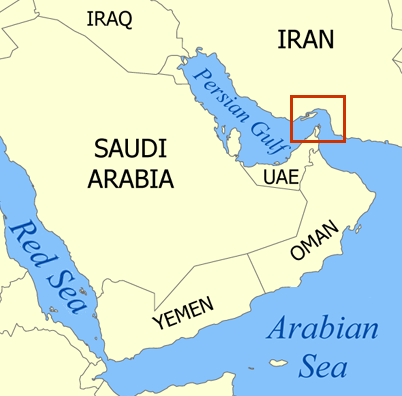
Why the Strait of Hormuz Matters
The Current Crisis: Two Weeks of Escalation and Tanker Disruptions
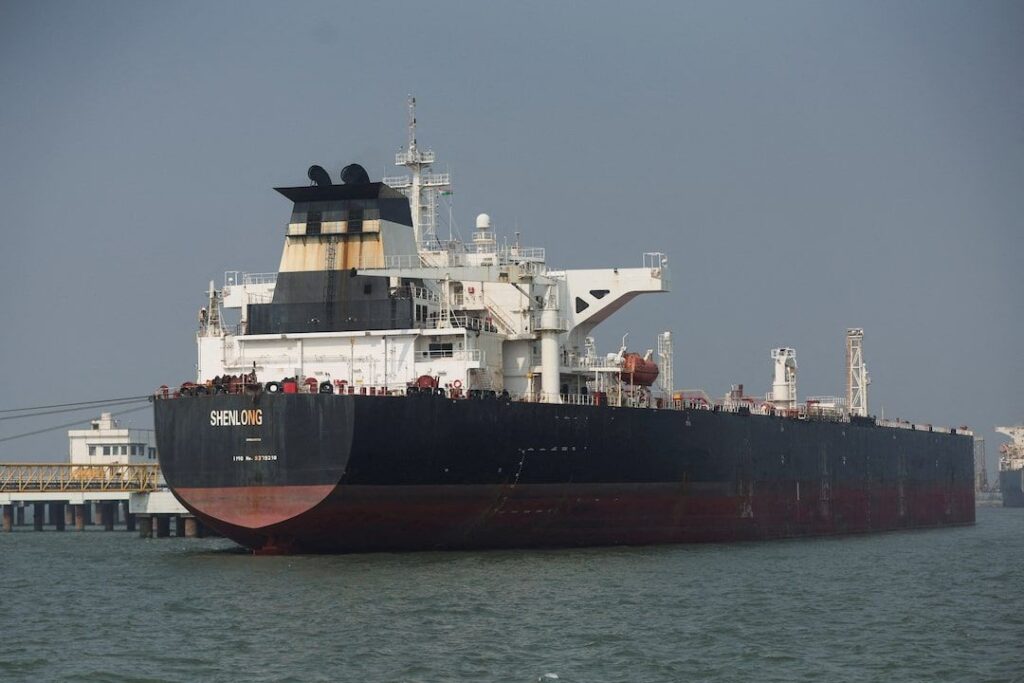
Over the past two weeks, the conflict has turned the Strait of Hormuz into one of the world’s most volatile war zones. The situation has become so tense that shipping traffic through the strait has reportedly dropped by nearly 70 percent. Ongoing military exchanges and Iran’s aggressive posture in the region have placed commercial shipping at serious risk. Several oil tankers and cargo vessels have reportedly suffered damage, highlighting how vulnerable this critical maritime corridor has become.
Global Oil Lifeline: ---
The Strait of Hormuz is far more than a narrow stretch of water; it functions as a central artery of the global energy system. Each day, roughly 20 to 21 million barrels of crude oil pass through this route—accounting for nearly 20 percent of the world’s petroleum consumption.
However, repeated attacks on vessels and the disruption of maritime traffic have created significant anxiety in global energy markets. According to economic trackers, crude oil prices have already climbed above $100 per barrel amid fears of supply shortages.
If the conflict continues and Iran succeeds in significantly restricting this route even for a few weeks, global markets could face an abrupt supply shock, pushing energy prices even higher and intensifying economic uncertainty worldwide.
Iran’s Strategic Leverage
The geography of the Strait of Hormuz itself provides Iran with a significant strategic advantage. Iran controls much of the northern coastline of this narrow passage, allowing it to closely monitor movements from the Persian Gulf toward the Gulf of Oman.
This geographical position gives Tehran substantial influence over one of the world’s most critical maritime chokepoints.
Through a combination of anti-ship cruise missiles, fast-attack boats and naval mines, Iran possesses the capability to disrupt shipping traffic across this roughly 21-mile-wide corridor. In the event of an intensified conflict, these assets could be used to slow or even temporarily paralyse commercial and energy transport through the strait. Such a scenario would have far-reaching consequences,
given the route’s central role in the global oil trade and international maritime commerce.
The Impact on Global Oil Markets
Energy Supply Risk:..
The Israel–Iran conflict has now moved far beyond the boundaries of the Middle East and is increasingly shaping global economic stability. Disruptions in the Strait of Hormuz—where shipping traffic has reportedly fallen by nearly 70 percent—have triggered deep concerns across international energy markets.
At the same time, crude oil prices have surged above $100 per barrel, raising fears of a broader energy supply shock. Economists warn that if military tensions and maritime disruptions continue for several more weeks, global inflation could rise sharply as supply chains face growing strain.
For countries heavily dependent on imported energy, the impact is particularly significant. India, for instance, imports roughly 85 percent of its crude oil requirements, with a substantial portion passing through this strategic corridor.
When global oil prices cross the $100 threshold, India’s import bill can increase by billions of dollars, placing pressure on the economy and the value of its currency.
Ultimately, the most immediate consequences are felt by ordinary citizens worldwide. As transportation and logistics costs rise, the prices of everyday essentials—from food and cooking oil to manufactured goods—tend to increase.
For many developing economies, a distant geopolitical conflict can quickly translate into higher living costs and growing economic uncertainty for millions of people.
Why hasn't America been able to defeat Iran yet?
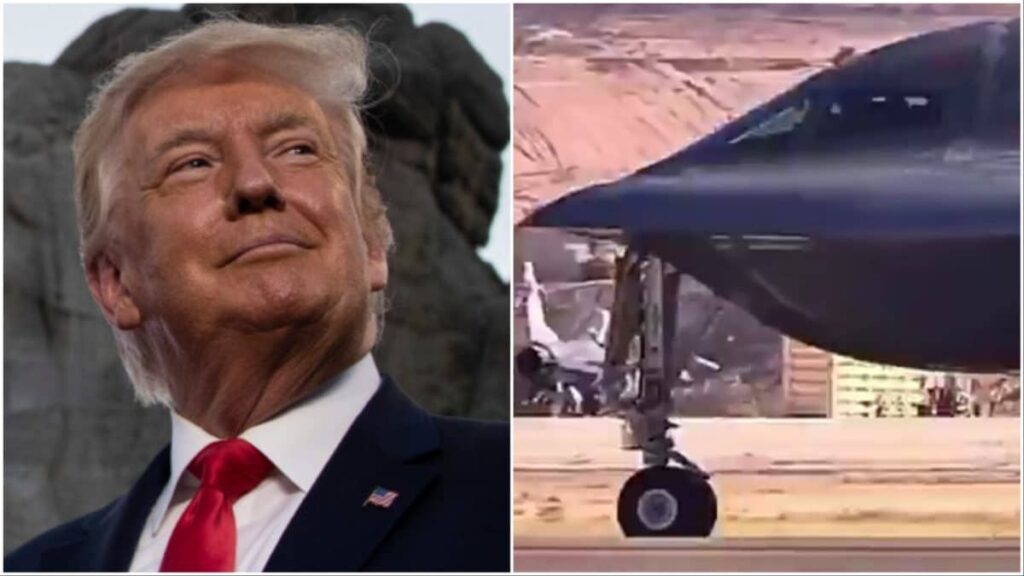
The United States and Israel possess some of the most technologically advanced military systems in the world.
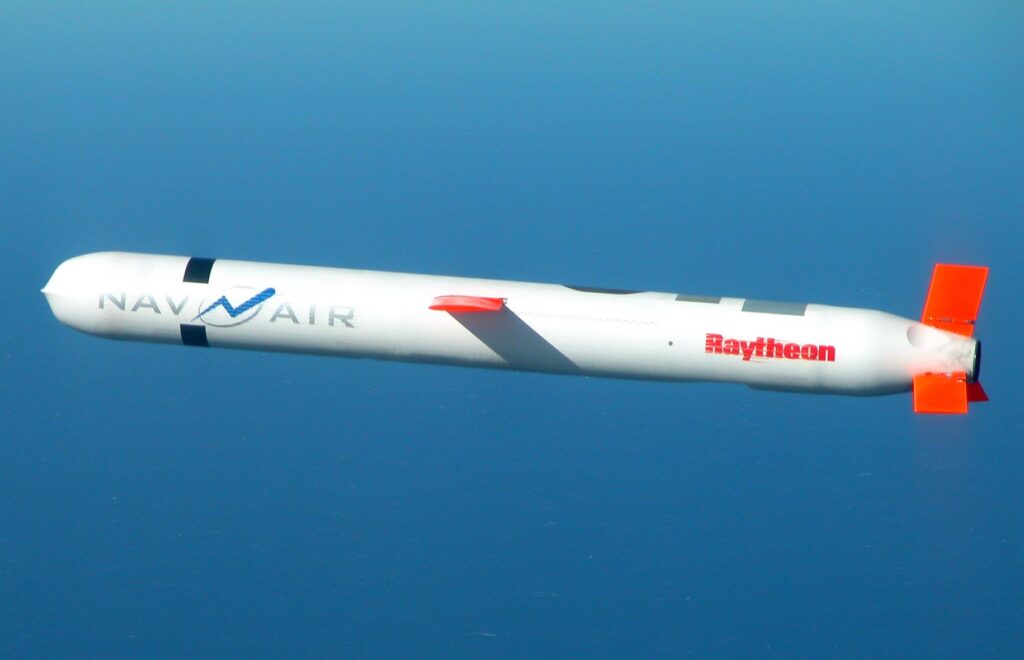
Yet defeating Iran has proved far more complicated than expected. One major reason is the enormous cost of modern warfare. A single Tomahawk cruise missile used by the United States can cost around $2 million, while a Patriot air-defence interceptor used to shoot down incoming threats costs roughly $4 million. Advanced surveillance platforms such as the MQ-9 Reaper drone can cost close to $30 million each.
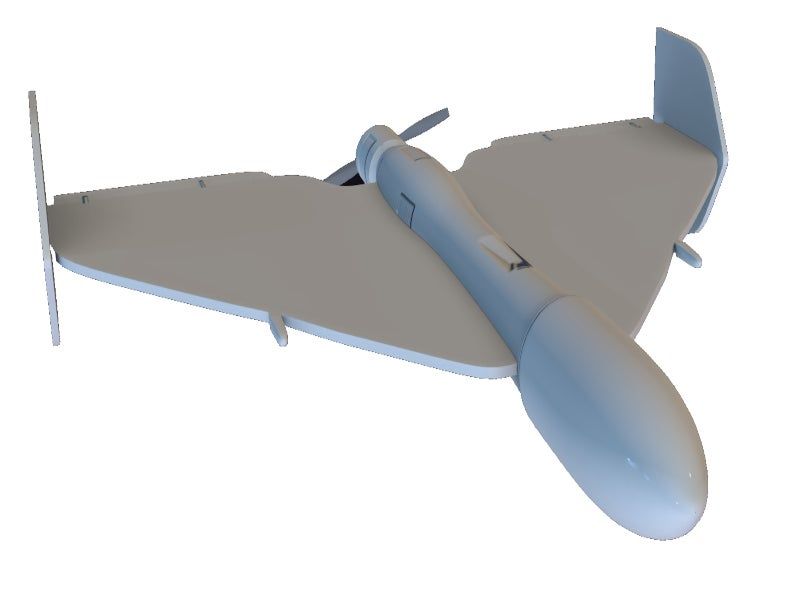
In contrast, Iran’s strategy relies on what analysts describe as a “low-cost, high-volume” approach. One of its most widely used weapons, the Shahed-136 loitering drone, is estimated to cost between $20,000 and $50,000. By deploying large numbers of these inexpensive drones simultaneously, Iran can force its adversaries to spend vastly greater sums on defensive systems.
This imbalance creates a form of economic pressure often described as a “war of attrition,” where the financial cost of defense becomes a strategic factor
.
Iran’s Asymmetric Warfare and Proxy Networks
Iran also understands that a direct conventional war against a superpower would be extremely difficult to win. Instead, it has developed a doctrine of asymmetric warfare. Rather than fighting alone on a single battlefield, Tehran relies on a network of regional partners and allied armed groups across the Middle East.
These groups include Hezbollah in Lebanon, the Houthi movement in Yemen, and various Shiite militias operating in Iraq and Syria. Through these networks, Iran can exert influence and pressure across multiple fronts simultaneously. Attacks carried out by such groups against Israeli targets or facilities linked to U.S. interests increase the complexity of the conflict and stretch the military attention of Washington and its allies across several theatres.
Missile Capabilities and the Advantage of Geography
Beyond these strategies, Iran’s geography itself acts as a natural defensive shield. Unlike flat desert terrain that can be easily crossed, much of the country is protected by vast mountain ranges such as the Zagros and Alborz.
These rugged landscapes provide natural protection and make large-scale ground operations extremely challenging.
Over the years, Iran has reportedly built many of its critical military installations and strategic facilities within underground complexes located deep beneath mountainous terrain. Such structures are designed to withstand heavy aerial bombardment and complicate attempts to neutralize them through conventional strikes.
As a result, any potential ground invasion would involve immense logistical and military risks, making a quick military victory far more difficult to achieve.
What Could Come Next
1️⃣ Limited Escalation
One possible scenario is that the confrontation between Israel and Iran remains confined to a cycle of missile and drone strikes for several months before gradually subsiding. Such a pattern of retaliatory attacks—often described as a tit-for-tat exchange—could keep the conflict intense but geographically limited. However, many defence analysts believe the likelihood of this scenario is diminishing.
Iran’s increasingly forceful responses and the growing tensions around the Strait of Hormuz
, which carries a significant share of global energy supplies, have already pushed the confrontation beyond what might normally be considered a limited conflict
.
2️⃣ A Wider Regional War
A far more dangerous scenario is the expansion of the conflict across the broader Middle East. If Iran continues maritime pressure and indirect attacks through allied groups, more countries could become directly involved.
This could potentially draw in actors such as Lebanon—where Hezbollah operates—as well as regional powers like Saudi Arabia and the United Arab Emirates.
Should the conflict spread across multiple states, global supply chains could face severe disruption. Energy shipments, shipping routes and regional trade would all be at risk. Some economists warn that such instability could trigger an economic shock potentially comparable to major global downturns such as the 2008 Financial Crisis. In such circumstances, pressure for a direct and decisive military response could intensify, turning strategic locations like the Strait of Hormuz into a central theatre of confrontation.
—
3️⃣ Diplomatic De-escalation
The third and more pragmatic scenario is a gradual move toward diplomacy.
As the risks of economic collapse and regional devastation increase, international pressure for de-escalation could grow rapidly. Reopening maritime routes through the Strait of Hormuz and stabilizing global energy markets would become urgent priorities for many countries.
In such a situation, mediation efforts—possibly facilitated by regional actors such as Oman or Qatar—could lead to indirect negotiations.
The fear of mutual destruction and wider instability might encourage both sides to pursue back-channel diplomacy, eventually reducing tensions and opening the door to a negotiated pause in hostilities
Hii
Pingback: How India Stores Emergency Oil: Inside Secret Underground Reserves - Documentary Industries Explained
Pingback: Why Does America Always Stand With Israel? The Real Reasons Nobody Tells You - Documentary Industries Explained