
India is no longer waiting for climate change to arrive.
It is already here.You can feel it in the air, in the water shortages, and even in the rising cost of food.What once sounded like a distant scientific warning is now becoming a part of everyday life for over 140 crore Indians.The data makes this reality even clearer.

According to the India Meteorological Department (IMD), India’s average temperature has already risen by around 0.7°C since 1901.
At first glance, this increase may seem small.But its impact is anything but small.
The year 2023 was among the hottest years ever recorded in India, and heatwaves are becoming more frequent and intense.In fact, heatwave days have more than doubled—rising from around 15 days per year in the early 2000s to over 30–35 days in recent years.
But temperature rise is just one part of the story.
The real disruption is happening in India’s monsoon.
For a country where agriculture still depends heavily on rainfall, the monsoon has always been the lifeline.
But now, this lifeline is becoming increasingly unpredictable.
According to the India Meteorological Department, rainfall patterns are no longer stable.
Instead of steady seasonal rain, India is witnessing short bursts of intense rainfall followed by long dry spells. In simple terms — floods and droughts are now happening almost side by side.
In 2023, this reality became very clear.
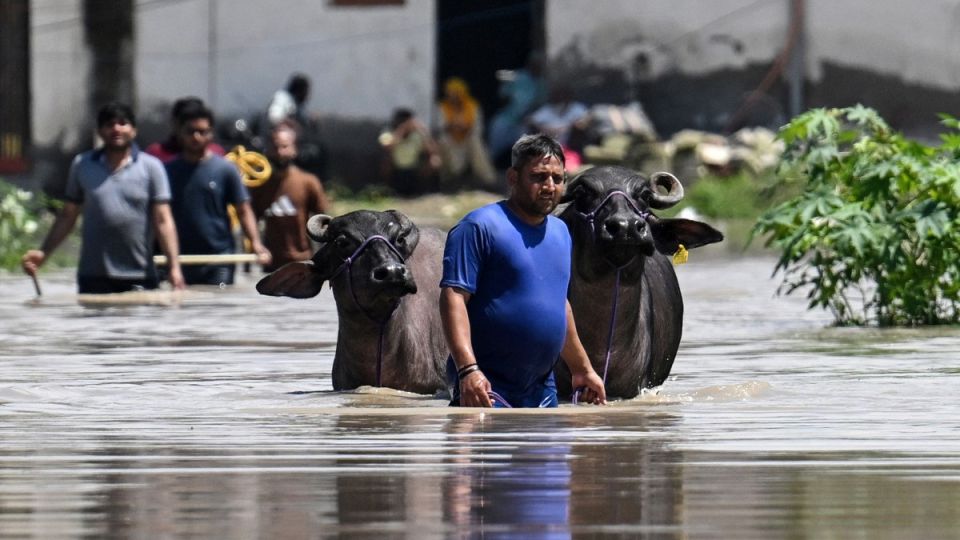
While Himachal Pradesh faced devastating floods, causing massive damage,
parts of Karnataka and Maharashtra were struggling with drought at the same time.This is the new climate pattern India is entering.
The same shift is visible in the oceans as well.Cyclones in the Arabian Sea, once considered rare, are now becoming more frequent and intense.
Studies by the Indian Institute of Tropical Meteorology (IITM) show that warming sea temperatures are making western coastal regions like Mumbai and Gujarat increasingly vulnerable to stronger storms.
This is not a distant problem of 2050 or 2040.It is unfolding right now.The impact is already visible in rising heat, water stress, and changing weather patterns across India.
And if current trends continue, the situation is likely to become more intense by 2030—at a pace many people are not fully prepared for.
So the real question is no longer whether climate change will affect India. The real question is: how severe will it become, and how ready are we to deal with it?
The Water Crisis
Water Stress is Already
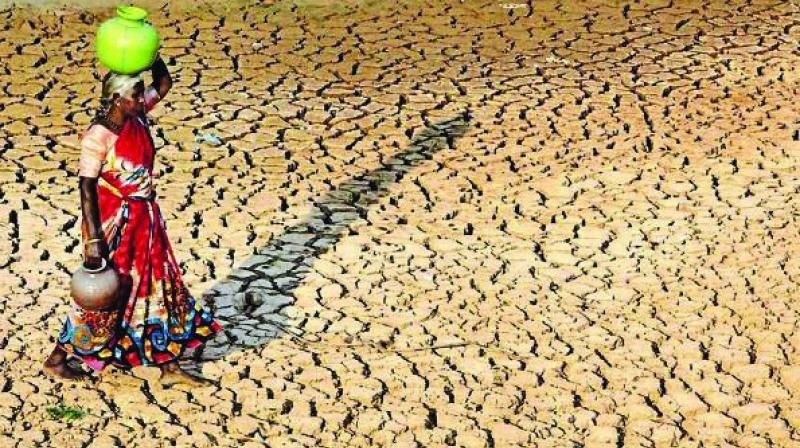
Water is life — and in many parts of India, it is already becoming scarce.Back in 2018, NITI Aayog warned that India is facing one of the worst water crises in its history. Today, that warning is slowly turning into reality..Across cities and towns, water shortages are no longer rare events.
They are becoming a part of everyday life — from reduced supply hours to growing dependence on tankers.
A large section of India’s population is already living under high to extreme water stress, where demand is much higher than available supply.
And if current trends continue, the situation could become much more severe by 2030, especially in major cities.
In fact, recent crises — like the one seen in Bengaluru in 2024 — are not isolated events.
They are early signs of what many Indian cities could face in the coming years.
Ground water extraction
India relies heavily on groundwater for drinking, farming, and daily use.
But this invisible resource is under serious pressure.
The Central Ground Water Board reports that India extracts approximately 260 billion cubic meters of groundwater annually, while the natural recharge rate is only 160 billion cubic meters. This means India has a groundwater deficit of 100 billion cubic meters every year — and this gap is growing as climate change disrupts rainfall patterns.
Himalayan glaciers meltings
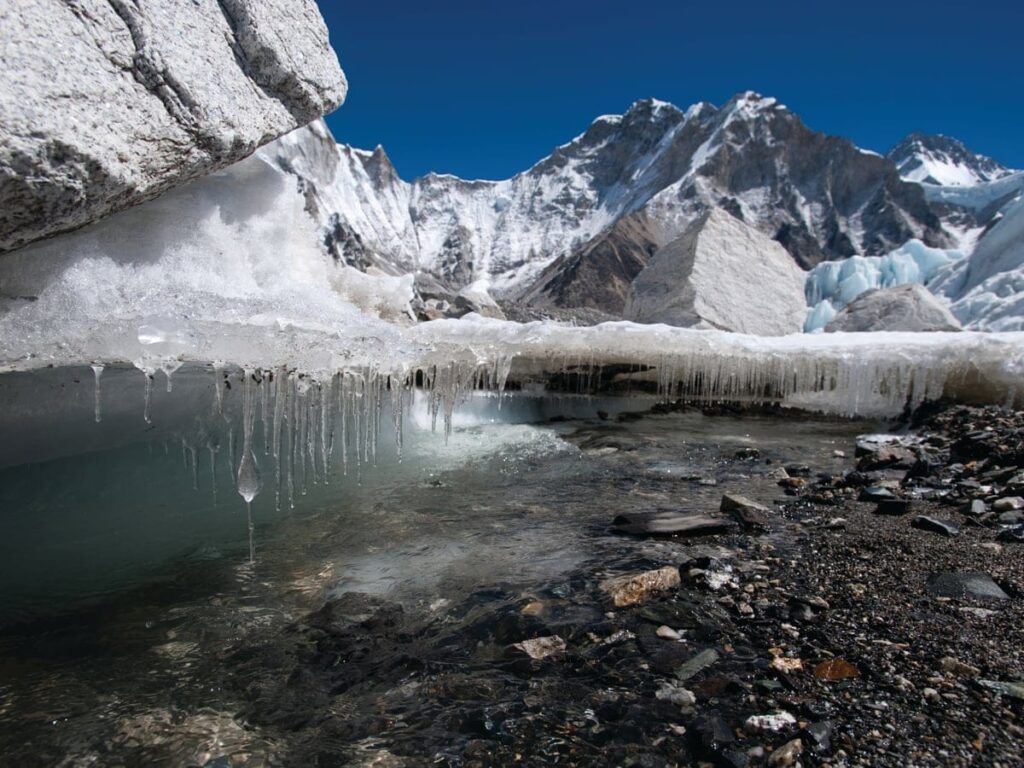
The Himalayan glaciers — which feed major rivers like the Ganga, Yamuna, and Brahmaputra — are now melting faster than before.
Studies by the International Centre for Integrated Mountain Development (ICIMOD) indicate that glacier loss has accelerated in recent years.
This directly affects drinking water, farming, and even electricity generation for millions of people.
India’s water situation becomes even clearer when we look at availability per person.
In the past, water was relatively abundant, but today it has fallen sharply — bringing India close to the “water stress” category.And by 2030, the country is expected to move even closer to the “water scarce” level.
The consequences will be felt in every household. Water tanker prices in cities like Bengaluru have already doubled in 2024. By 2030, daily water supply in many cities could be reduced to just 2-3 hours per day. Water conflicts between states — already visible in the Cauvery and Krishna river disputes — will intensify as supply shrinks and demand grows.
For the average Indian family, this could mean higher water expenses, longer waiting times, and growing uncertainty about daily water availability.
Farms in Crisis
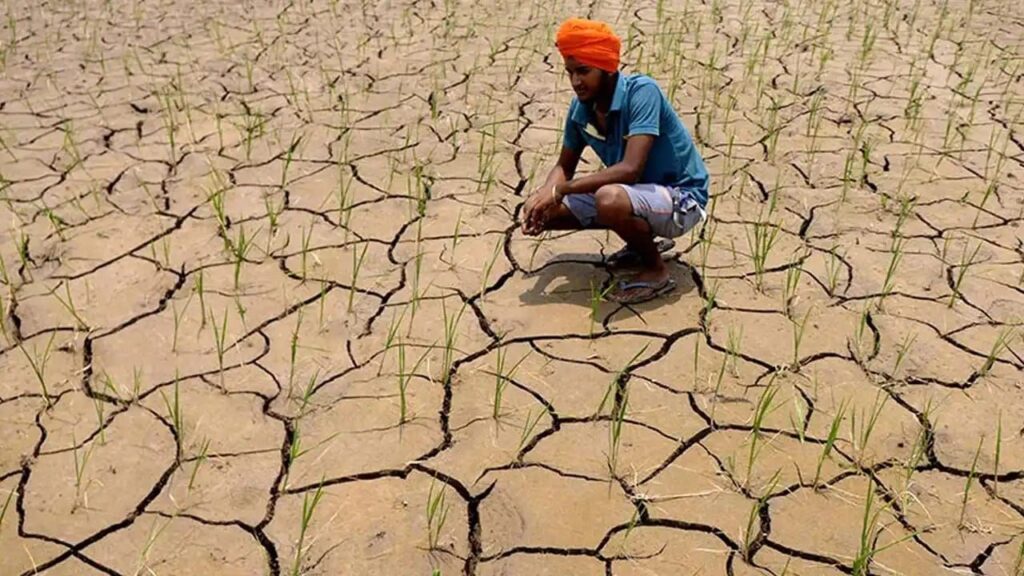
Agriculture is often called the backbone of India contributing around 18% to GDP and supporting nearly 42% of the workforce, which means the livelihoods of over 50 crore people depend on it.
But today, this backbone is slowly coming under pressure due to climate change — not all at once, but through repeated crop losses over time.The Indian Agricultural Research Institute (IARI) has highlighted some concerning trends.
By 2030, overall crop yields in India could decline by around 10–25%, with major food crops already showing signs of stress.
Wheat, for example — where India is one of the top producers globally — is particularly vulnerable.
Studies suggest that even a small rise in temperature can significantly impact production, with yields dropping as heat increases.This is not just a future concern.
In 2024, an early heatwave in March affected wheat crops across Punjab, Haryana, and Uttar Pradesh — offering a glimpse of the kind of challenges that could become more frequent in the coming years.
Water-Intensive Crops at Risk
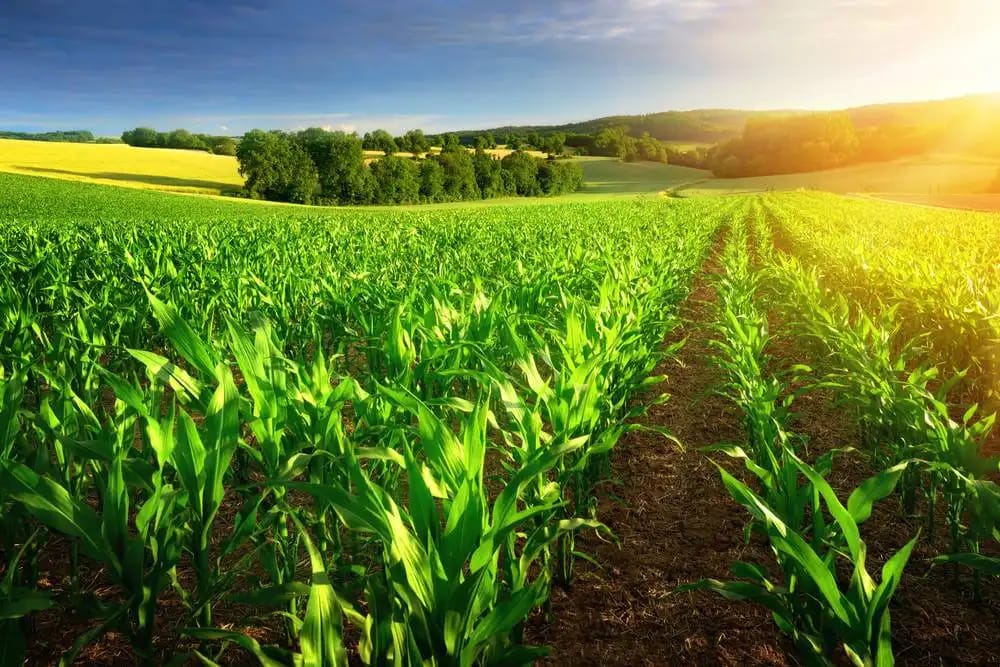
Rice, one of India’s most widely consumed crops, is highly vulnerable to climate change.
It requires a large amount of water, and as the water crisis deepens, sustaining rice cultivation in many regions is becoming increasingly difficult.
Studies by the International Rice Research Institute (IRRI) suggest that rice yields could decline in the coming years, especially in states like West Bengal, Bihar, and Uttar Pradesh, where farming depends heavily on stable water supply.
Declining Crop Yields
Pulses, the primary protein source for hundreds of millions of vegetarian Indians, face an 8-12% decline. Maize production could fall by 18-23%. These are not marginal declines — they represent a fundamental threat to food security in a country where malnutrition already affects one-third of children under five.
Unpredictable Monsoon & Farming Uncertainty
The monsoon disruption makes everything worse. Farmers who have relied on centuries-old seasonal knowledge can no longer predict when to sow or harvest. The phenomenon of “flash droughts” — sudden, intense dry spells during the monsoon season — is increasing, destroying crops that had appeared healthy just weeks earlier.
Rising Food Prices
The economic impact on ordinary families will be severe. Food inflation, already running at 8-10% in 2024, is projected to reach 12-18% by 2030 due to climate-driven supply disruptions. For a middle-class family of four currently spending ₹8,000-12,000 per month on food, the bill could rise to ₹15,000-20,000 — a 40-60% increase. For poor families, this could push millions below the poverty line.
The Human Side of the Crisis
Behind these numbers lies a deeper reality — the growing pressure on farmers across the country.. The National Crime Records Bureau recorded over 11,290 farmer suicides in 2022, with 70% occurring in rain-dependent farming regions. As climate stress intensifies, this crisis will only deepen unless urgent action is taken.
Health Under Siege — The Silent Killer
Public Health Emergency
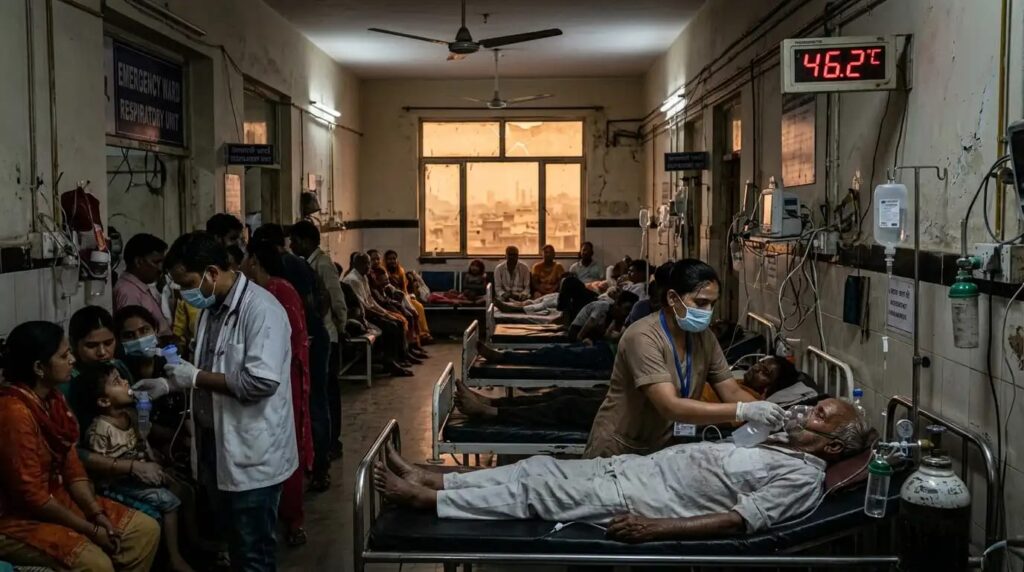
Climate change is not just an environmental crisis — it is a public health emergency that is already killing thousands of Indians every year and will kill many more by 2030.
Heat is one of the most immediate and visible impacts of climate change.Recent reports, including the Lancet Countdown 2023, indicate a sharp rise in heat-related health risks across India.
Every year, thousands of people lose their lives due to extreme heat, and this number is expected to increase as temperatures continue to rise. The most affected are those who cannot avoid working outdoors
construction workers, farmers, street vendors, and delivery workers.
For them, rising temperatures are not just uncomfortable…
they are becoming a serious threat to daily survival.
Spread of Diseases (Dengue, Malaria & More)
Vector-borne diseases are expanding into new areas as temperatures rise.
Dengue cases, already in lakhs every year, are expected to increase significantly by 2030.
Even cities like Shimla and Nainital, once considered safe, are now reporting cases.
Air Pollution & Respiratory Crisis
At the same time, rising heat and air pollution are worsening health risks.
Higher temperatures increase harmful pollutants like ground-level ozone and extend smog conditions, especially in cities like Delhi.This leads to more respiratory problems and greater pressure on public health.
For many families, this means rising health risks, higher medical expenses,
and growing uncertainty in everyday life.
Cities Going Under — Sea Rise, Floods
India’s Coastal Risk is Rising
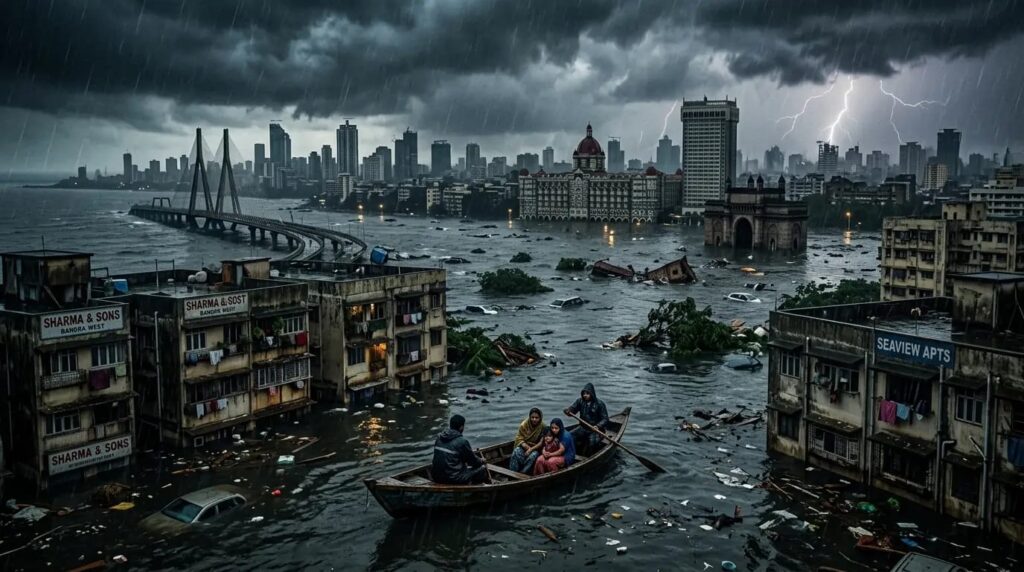
India’s coastline stretches over 7,500 kilometers, and more than 17 crore Indians live directly along it. By 2030, many of these communities — including some of India’s most important cities — will face an existential threat from rising seas and intensifying storms.
The Indian National Centre for Ocean Information Services (INCOIS) reports that sea levels around India are rising at 3.3-4.0 millimeters per year — and accelerating. By 2030, an additional 5-8 centimeters of sea level rise is projected, which translates into significantly more frequent and severe coastal flooding.
Mumbai: A Warning for Urban India
Mumbai, India’s financial capital, is among the most vulnerable cities to climate-related risks.
Studies suggest that in the coming years, coastal flooding events could become more frequent, putting pressure on the city’s already stretched infrastructure.
The devastating flood of July 2005, when the city witnessed extremely heavy rainfall in a single day, is often seen as a warning sign. What was once considered a rare event may no longer remain so rare in the future.
Eastern Coast Under Threat
Kolkata faces a dual threat: cyclone intensification from the Bay of Bengal and the slow drowning of the Sundarbans, which is losing approximately 5 square kilometers of land every year to rising seas. Over 10,000 families in the Sundarbans have been displaced since 2020 alone.
Chennai, which faced major floods in 2015 and again in 2023, is now witnessing increasing climate pressure.
Cyclone intensity in the Bay of Bengal has been rising, and along with it, the risk to coastal cities is growing.At the same time, issues like saltwater intrusion are affecting freshwater sources, making water availability even more challenging for the city.
According to estimates by the World Bank, millions of people in India could be impacted by coastal flooding in the coming years, with some regions facing long-term displacement if the trend continues.
Urban Flooding Beyond Coastal Cities
But this crisis is not limited to coastal areas.Cities across India are already facing frequent urban flooding.
In 2023, Delhi saw the Yamuna reach record levels, while Bengaluru experienced severe flooding due to rapid urban growth and the loss of natural drainage systems.Similar patterns have been observed in cities like Hyderabad, Pune, and Patna in recent years. This highlights a deeper problem.
Infrastructure Not Ready for Climate Reality
Most Indian cities are not built to handle these changing climate conditions.Their drainage systems were designed for past rainfall patterns not for the intense and unpredictable events we are seeing today.
The Great Displacement — Climate Refugees Inside India
Climate Migration: An Overlooked Crisis
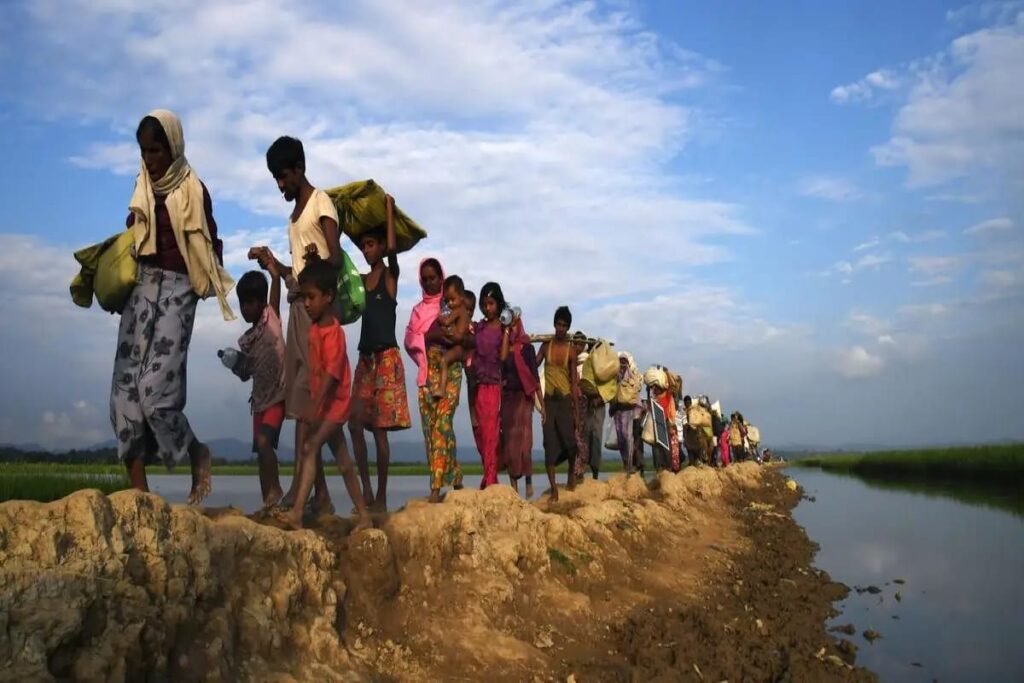
Millions of people are being forced to leave their homes — not due to conflict, but because changing climate conditions are making their land unlivable.
According to the World Bank’s Groundswell Report (2021), by 2050 up to 14 crore Indians could become climate migrants.
By 2030, this number may reach 4–6 crore people.
Early Signs Already Visible
In the Sundarbans, rising sea levels are forcing families to move inland.In Bihar, millions migrate seasonally due to recurring floods, while regions like Vidarbha (Maharashtra) are seeing villages empty due to drought and crop failure.
Bundelkhand: A Case Study of Migration
Bundelkhand, spread across Uttar Pradesh and Madhya Pradesh, has become a clear example of climate-driven migration.Chronic water shortages and repeated crop failures are forcing people to leave their villages, with many moving to cities in search of work and survival.
Pressure on Indian Cities
As a result, cities are coming under increasing pressure.
Delhi, already home to over 3 crore people, could see millions more climate migrants by 2030.
Mumbai, Bengaluru, and other major cities are facing similar trends.
This growing influx is likely to strain housing, water supply, and basic public services like healthcare and transport — making urban life more challenging in the years ahead.
India currently has no official policy framework for climate migrants. They are not recognized as refugees or displaced persons under any law.
Can India Still Change Its Future?
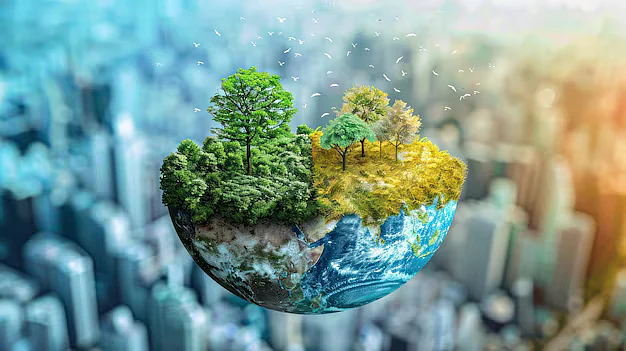
The situation may look serious, but it is not beyond control.
India still has a limited window to act before 2030 — but that window is slowly closing.
The country has already taken some steps.
India’s Climate Commitments
Under the Paris Agreement, India aims for net-zero emissions by 2070 and has set a target of 500 GW renewable energy by 2030.
Initiatives like solar energy programs, water schemes, and electric mobility show that efforts are being made.
But the real challenge lies in implementation.
The Implementation Gap
Currently, renewable capacity is still far from the target, and at the same time, traditional energy sources like coal continue to expand.At the ground level, many policies are either slow or uneven in execution
Economic Risks Ahead
The RBI has warned that climate change poses serious risks to India’s economy.The World Bank estimates that without action, GDP could fall by around 2.8% by 2030 — a loss of nearly ₹8.3 lakh crore every year.
What Needs to Change (Action Plan)
What needs to change is actually quite clear — but it requires serious action.First, every state and city needs proper planning to deal with climate impacts like heat, floods, and water shortages.
Second, water management must be treated as a priority, because water is becoming one of the biggest challenges for the future.
Third– agriculture needs to adapt — with crops that require less water, better irrigation methods, and stronger support for farmers.
Fourth-cities must be redesigned to handle extreme weather, whether it’s heavy rainfall or rising temperatures.
And finally, early warning systems and awareness must reach people at every level — especially in rural and coastal areas.
The real question is:Are we prepared for it… or are we still ignoring the signs?
Look around your own area
Have you noticed rising heat, water shortages, or changing weather patterns?Share your experience — because this crisis is not just global… it is personal.

hii very good