
In November 2022, ChatGPT crossed 100 million users in just 2 months.Since then, AI is growing at a rapid pace. By 2030, up to 100 million jobs in India could be at risk.The real question is — could yours be next?
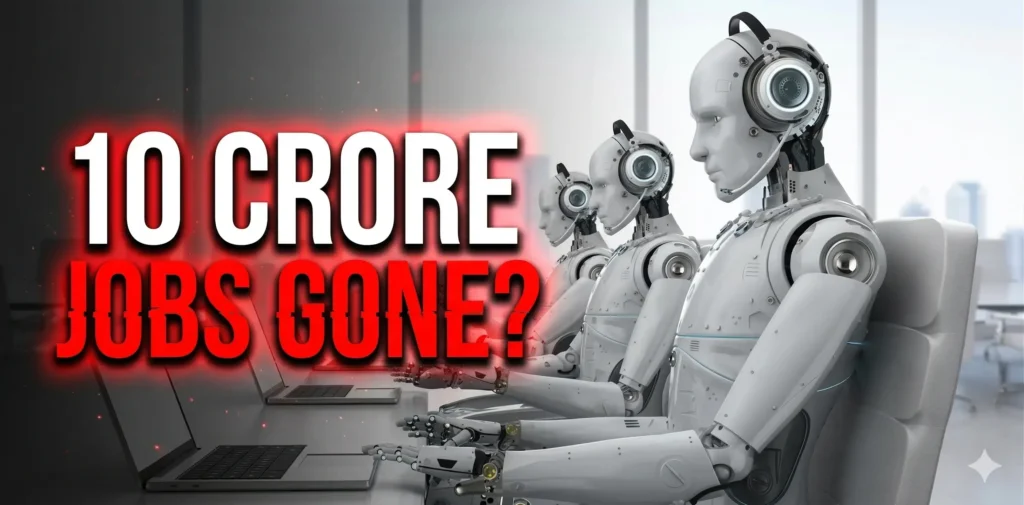
What AI Really Is (Not What You Think)
Most people hear the term “Artificial Intelligence” and imagine robots from movies — machines walking, talking, and acting like humans.But that’s not the reality.AI is not a robot.
It is software — designed to learn patterns, process information, and perform tasks that were once done only by humans
From Daily Life to Workplaces
You are already using AI every day — often without realizing it.
When Netflix recommends what you like, or Google Maps finds the fastest route — that’s AI.
Now, the same AI has entered workplaces.Tools like ChatGPT, Copilot, and Midjourney can write, code, design, and handle customer queries in seconds — faster and cheaper than humans.This is not the future.This is already happening.That’s why global warnings are increasing.
What Is Already Happening in India
These are not future predictions anymore. Job losses have already started.
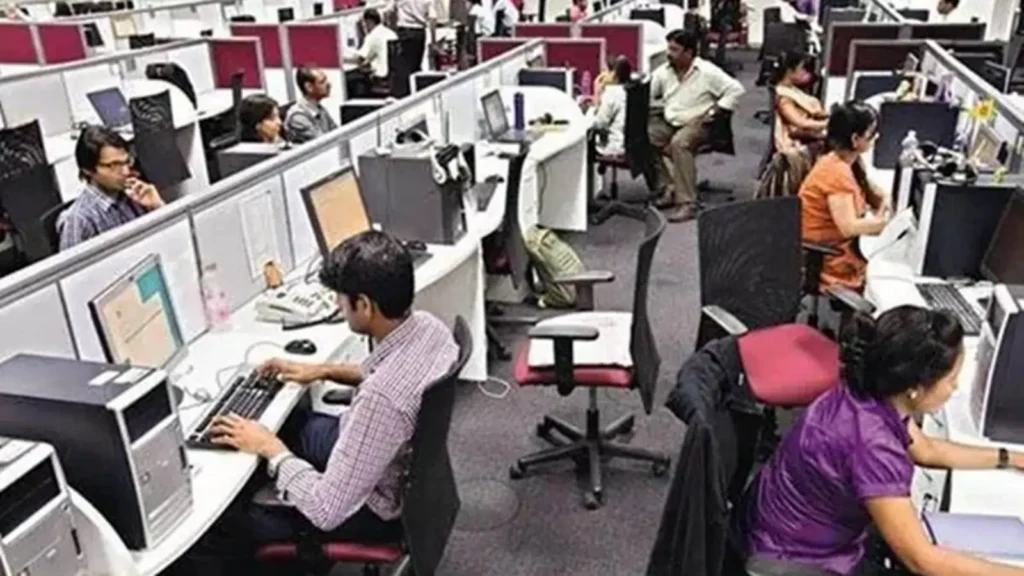
India’s IT industry —employing 54 lakh people according to NASSCOM 2024 — has begun shrinking. In 2023-24, the top five companies — TCS, Infosys, Wipro, HCL, and Tech Mahindra — collectively reduced over 75,000 employees. Their revenues were growing. Profits were up. They simply found that AI could do what junior employees did — faster and cheaper.
Banking is following the same path.
SBI now processes 67% of transactions digitally. HDFC Bank’s AI chatbot EVA handled 50 lakh queries in its first year replacing hundreds of human agents. Bank branch growth has slowed to just 1.2% because digital banking needs fewer buildings and fewer people.
Call centers employing 12-14 lakh Indians are next. Gartner reports AI chatbots handle 40-60% of customer queries already. IBM announced it would stop hiring for 7,800 back-office roles that AI can handle many based in India.
Even creative jobs are hit. 35% of Indian freelance writers reported declining work as clients switch to ChatGPT. Designers are losing projects to Midjourney and DALL-E. Amazon and Flipkart warehouses use AI robotics, reducing human workers.
Content Creation and Freelancing — The Creative Collapse
India has millions of content writers, graphic designers, translators, social media managers, and creative freelancers. Many work independently through platforms like Upwork, Fiverr, and Freelancer. This entire ecosystem is being disrupted simultaneously.
Indian freelancers on international platforms have reported 30-40% income declines since AI writing and design tools became mainstream. A blog post that an Indian writer charged ₹2,000-3,000 for can now be generated by ChatGPT in 30 seconds. A social media graphic that a designer charged ₹1,500 for can now be created by Canva AI or Midjourney in minutes. A translation that took hours can now be completed by AI in seconds.This is not a 2030 prediction. This is a 2026 status report. The disruption is already here.
The Real Scale of AI Impact
AI is not just replacing a few jobs in IT or BPO. It is spreading across India’s entire economy from factory floors to government offices, from delivery routes to retail counters.
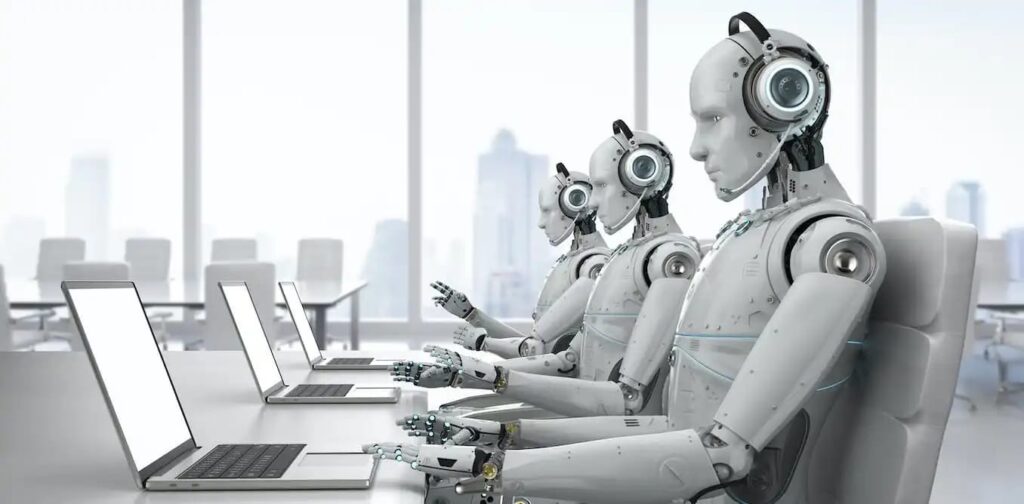
The Full Picture — India’s Workforce Under Threat
India’s total workforce is approximately 55 crore people. Around 40 crore work in the informal sector — street vendors, daily wage workers, small shop owners. The remaining 15 crore work in formal, salaried jobs. AI’s immediate strike zone is this formal workforce, but when formal jobs disappear, the shockwave hits everyone — the tea stall outside the office, the landlord renting to employees, the auto driver ferrying them to work
McKinsey Global Institute estimates that 12 crore Indian workers — roughly 30% of the non-farm workforce — will need to completely change their occupations by 2030. Not upgrade a skill. Not learn a new software. Fundamentally change what they do for a living.
The sector-wise breakdown reveals how wide this disruption really is:
Manufacturing — Robots Are Cheaper Than Humans
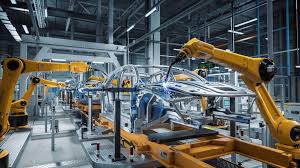
India employs around 6 crore workers in manufacturing. The government promoted “Make in India” to create millions of factory jobs. But the factories being built are increasingly designed around machines, not people. Foxconn’s iPhone plant in Tamil Nadu promised 1 lakh jobs but operates with far fewer humans — robots handle major portions of assembly. Maruti Suzuki has automated 80% of welding at its Manesar plant. By 2030, an estimated 1.5-2.5 crore manufacturing jobs face direct automation risk.
Retail and E-commerce
Around 5 crore Indians work in retail.AI is already managing inventory, pricing, demand forecasting, and product recommendations — tasks once handled by large teams.Companies like Amazon, Blinkit, and Zepto are using automation to reduce human roles. In some cases, warehouse workforce needs have dropped by 30–40%. By 2030, an estimated 1–1.5 crore retail jobs could be at risk.
Transportation & Logistics
Humans Becoming Optional
Around 3 crore Indians work in this sector, including 1.5 crore truck drivers.AI is already automating route planning, fleet management, warehouse sorting, and tracking.Companies like Delhivery, Rivigo, and BlueDart are steadily reducing human roles. As a result, around 50–80 lakh jobs in logistics operations could be at risk.
Government & Clerical Work —
India has nearly 2 crore government and clerical employees.AI can already handle tasks like document verification, application processing, and citizen queries faster and more efficiently.
Systems like DigiLocker, automated tax filing, and Aadhaar-based services show the direction of change. Experts estimate that 50–80 lakh clerical and administrative roles could become redundant as digital governance expands.
2030: The AGI Disruption Era
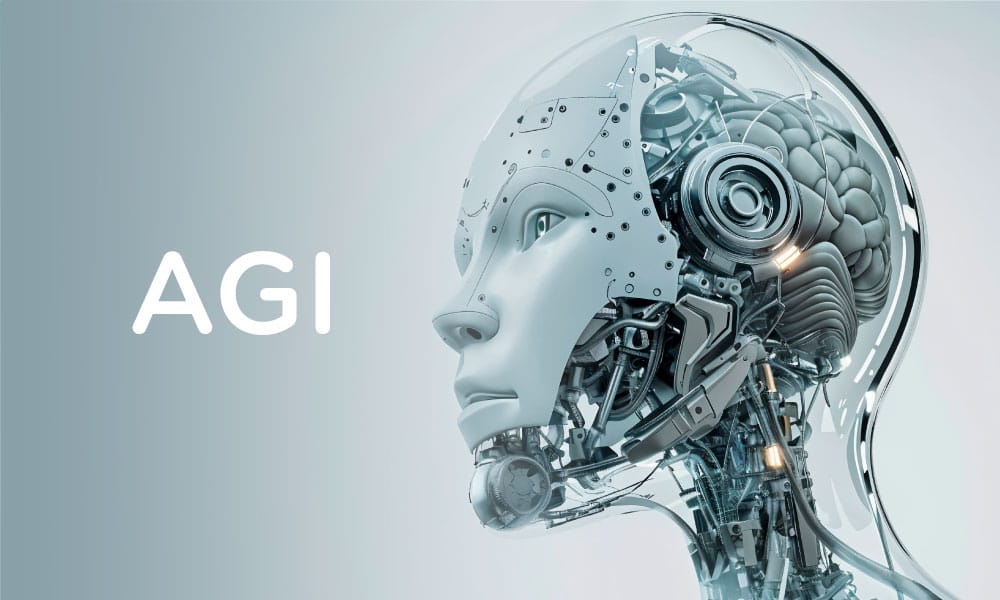
Understanding the real threat means understanding where AI is heading.Today’s tools like ChatGPT and Copilot are still Narrow AI — they perform specific tasks. But the next phase is far more powerful: Artificial General Intelligence (AGI).AGI will not just assist — it will reason, learn, and make decisions across different fields, much like a human.
This is where the real disruption begins.Jobs that feel secure today — software engineers, analysts, managers, even professionals like lawyers and doctors — will increasingly face competition from AI systems that can perform similar tasks faster and at lower cost.
Jobs That Will Disappear First
Not every job will disappear at the same pace.Some roles are already on the edge — waiting to be replaced as AI systems fully deploy.These are the jobs that will be hit first in India.

Data Entry and Back-Office Processing
This is one of the most immediate targets.India employs around 1.5 crore people in data entry, document processing, and record management across banks, companies, and government offices.AI tools can now extract and process data with 95–99% accuracy, completing in minutes what once took hours. As a result, large-scale job reduction in this segment is already underway.
Customer Service and Call Center Agents
India has around 40 lakh customer support workers.
AI chatbots and voice assistants are already handling most routine queries.Gartner estimates that by 2027, 25% of organizations will rely primarily on chatbots.
In India, 25–30 lakh jobs could decline, with only small teams left for complex cases.
Basic Accounting and Bookkeeping
AI tools like Zoho Books, Tally, and QuickBooks now automate tasks like expense tracking, GST filing, and error detection.
ICAI has acknowledged the automation risk in routine accounting work. Around 15–20 lakh jobs could be affected by 2030.
Translators and Basic Content Writers
India’s multilingual market created jobs for lakhs of translators and entry-level writers.AI tools can now generate articles, product descriptions, and emails within seconds.
Routine translation work — legal, technical, and business documents — is being automated rapidly.An estimated 8–12 lakh jobs in translation and basic content writing are at risk.
The Common Thread
they are repetitive, rule-based, and predictable. This is exactly where AI performs best.
If your work follows fixed patterns and produces similar outputs daily, your job is at risk.
The timeline is not distant — 2027–2030.And in many cases,
the replacement has already begun.
AI Impact on Economy and Life
Job displacement by AI is not just about losing jobs — it creates a chain reaction across the entire economy.
The First Domino — Direct Job Loss

When a company replaces 500 employees with AI, those jobs disappear instantly.But the impact does not stop there.Each worker was spending on rent, food, transport, and daily needs — supporting many others. According to CMIE, every formal job in India supports 2.5 to 3 additional informal jobs.
So, when 500 jobs disappear, another 1,200–1,500 livelihoods are affected — from local vendors to service providers. Now scale this across lakhs and crores of jobs…the economic impact becomes massive.
The Second Domino -Consumer Spending Collapse
When people lose income — or fear losing it — they reduce spending.India’s economy is 60% driven by consumption (RBI).
So when spending falls, businesses earn less, cut more jobs — and the cycle continues.
Economists call this a deflationary spiral.
IMF warns that rapid automation could reduce demand by 8–12% in developing economies.For India, where 80 crore people live on low incomes, even a small drop can push millions into poverty.
The Third Domino — Social Instability
Unemployment does not just create poverty — it creates frustration and unrest.
India has a young population, with nearly 65% under the age of 35, and youth unemployment is already estimated at around 45% in some surveys. When educated young people struggle to find jobs, the impact goes far beyond economics.
Research from the World Bank shows a clear link between joblessness and rising crime, substance abuse, and social instability.
The Fourth Domino — Your Daily Life
Even if you do not lose your job directly, the impact will eventually reach your household.
As more people compete for fewer opportunities, wages across many sectors are likely to face downward pressure.
The ILO estimates that real wages in AI-affected sectors could decline by 10–15% by 2030.At the same time, living costs are expected to rise, job competition will become more intense, and income stability may weaken. Cities heavily dependent on IT and service sectors — such as Bengaluru, Pune, and Hyderabad — could also experience economic slowdown.
Jobs That Will Survive (and Grow)

AI will destroy millions of jobs. That reality is now clear. But the complete picture includes another reality — some jobs will not only survive AI disruption but will actually grow stronger because of it.
Jobs That Will Survive — Skilled Physical Work
Not all jobs can be automated.
Work that requires hands-on skills in unpredictable environments is much harder for AI to replace.
For example, a plumber or electrician working in an old building faces unique problems every time — something AI and robots cannot easily handle.
This includes roles like electricians, welders, mechanics, construction workers, and maintenance technicians.
According to the World Economic Forum, demand for such skilled trades could increase by 15–20% by 2030. In India, there is already a shortage of 12–15 crore skilled workers, making these jobs even more valuable in the future.
Healthcare — The Human Touch AI Cannot Fake

AI will transform healthcare — diagnosing diseases from scans, predicting patient outcomes, managing hospital data. But it cannot hold a patient’s hand during chemotherapy. It cannot calm a frightened child before surgery.
- Dr. Eric Topol , one of the world’s leading voices on AI in medicine, wrote in his book Deep Medicine: AI will not replace doctors. But doctors who use AI will replace doctors who don’t.
AI-Related Jobs — Building and Managing the Revolution
The most obvious growth area is the AI industry itself. Someone must build, train, maintain, and govern these AI systems.NASSCOM estimates that India currently has 4-5 lakh AI professionals but will need 20-30 lakh by 2030— a 5x increase.

This includes AI engineers, data scientists, machine learning specialists, prompt engineers, AI ethics professionals, and AI trainers.
Creative and Strategic Roles — Where Originality Matters
AI can generate content, but humans create meaning. Roles like brand strategists, filmmakers, or comedians rely on original thinking, cultural understanding, and real human experience — things AI can imitate, but not truly feel or own.
Satya Nadella, Microsoft CEO, has stated: ““AI is a tool, not a replacement.”The future will belong to people who can think creatively and connect emotionally — things AI cannot do.
Adapting to the AI Future
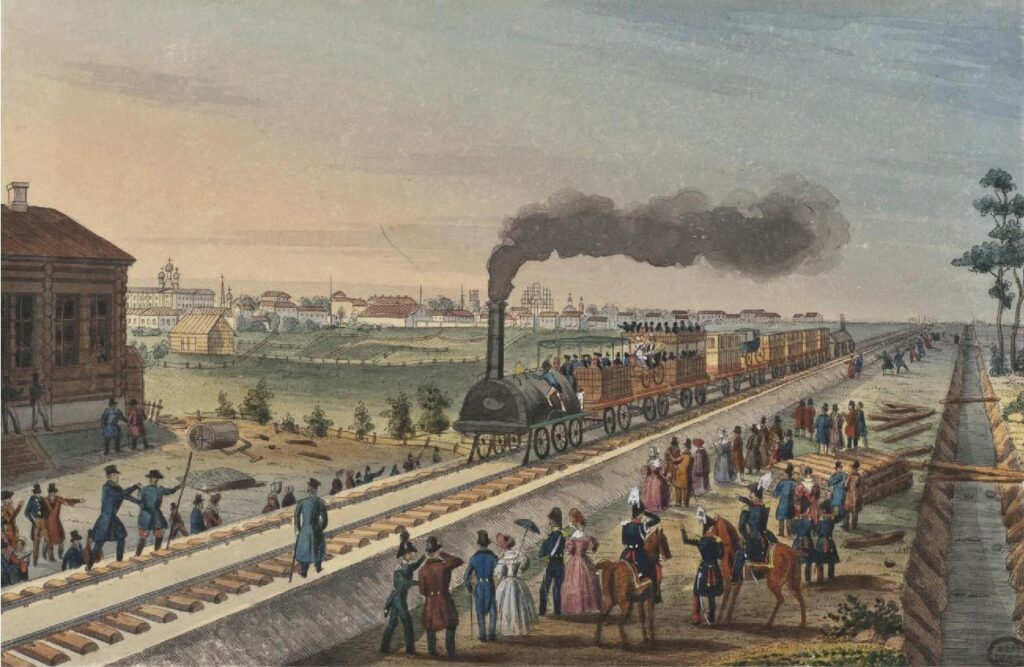
Every major technological shift follows the same pattern — fear, disruption, and new opportunities.When machines replaced farm work in the 1800s, millions lost jobs, but new industries like factories and railways created even more employment.
In the 1990s, computers replaced clerks and typists, but also gave rise to software, internet, and digital jobs.AI is likely to follow the same path.
Sundar Pichai, CEO of Google, has called AI “more profound than fire or electricity” — meaning its impact will reshape civilization, creating enormous new possibilities alongside the disruption.
The message from every major technology leader and institution is consistent — AI will destroy old jobs but create new ones
What You Must Do — The Personal Level
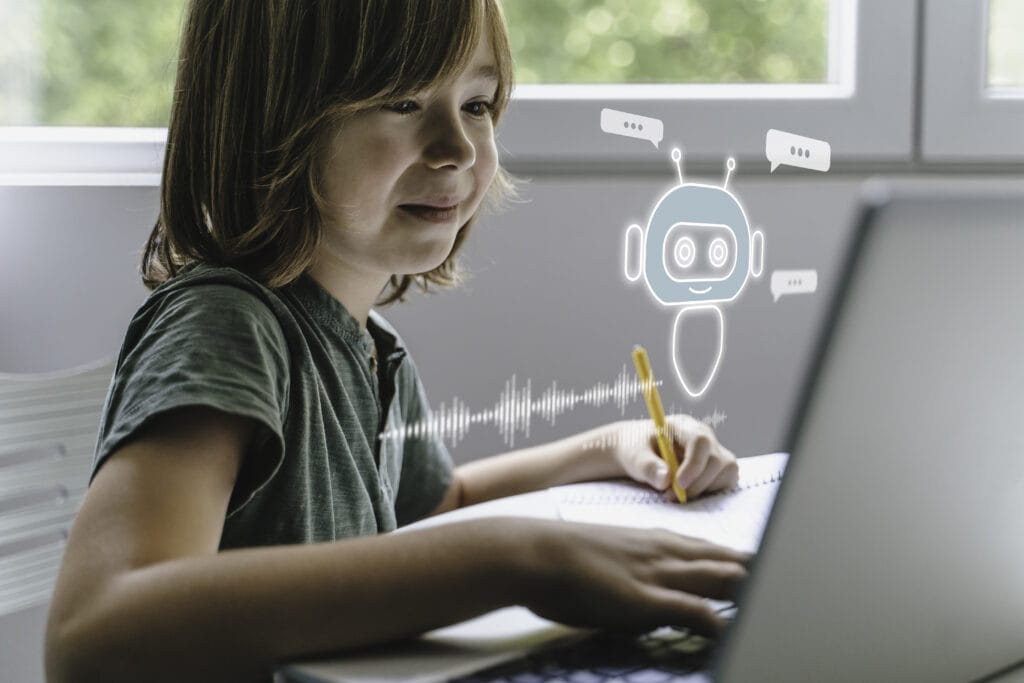
Learn AI Basics-You don’t need to become an expert, but understanding AI tools is now essential.Platforms like Google, Coursera, NPTEL, and Microsoft Learn offer accessible courses.LinkedIn’s 2024 Workforce Report found that professionals who added AI skills to their profiles saw a 40-60% increase in recruiter interest compared to those without AI skills.
Develop Skills AI Cannot Replicate:
Focus on capabilities that remain fundamentally human. The World Economic Forum’s Future of Jobs Report 2023 identifies the top skills for 2030 — and none of them are technical coding abilities. They are analytical thinking, creative problem-solving, emotional intelligence, leadership, and resilience. These are skills that AI, even advanced AGI systems, will struggle to replicate because they require human consciousness, lived experience, and social understanding.
Teach Your Children Differently:
If you are a parent, this may be the most important action you take. Stop pushing your children exclusively toward traditional IT, banking, or government job preparation. The careers you consider “safe” today may not exist when your child graduates.
OECD’s Education 2030 Framework emphasizes that students need to learn how to create new value, reconcile tensions, and take responsibility — not memorize textbooks and crack competitive exams.
The window for preparation is open but closing. Those who act now will ride the wave. Those who wait will be swept away by it.



very good bro next wait
It’s true